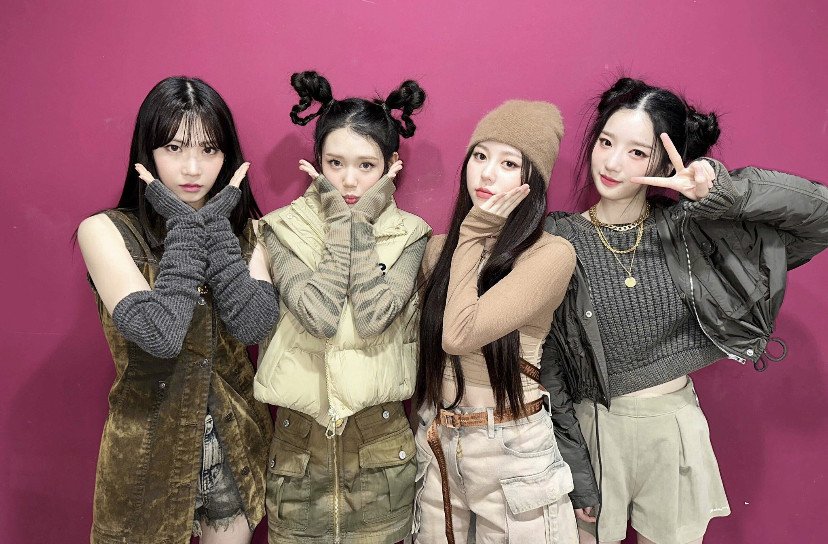
In the ever-evolving landscape of global entertainment, few phenomena have captured the world's imagination quite like K-pop. What began as a regional music trend has blossomed into a full-fledged cultural titan, with the Global Breakthrough: 3rd & 4th Generation K-pop Expansion marking its most significant ascent yet. This isn't just about catchy tunes and synchronized dances; it's a testament to strategic innovation, unparalleled fan engagement, and an unwavering commitment to artistic excellence that has reshaped the global music industry.
If you've ever found yourself humming along to a BTS track, mesmerized by a BLACKPINK performance, or scrolling through TikTok dances set to NewJeans, you've witnessed this expansion firsthand. It's a journey from niche appeal to mainstream dominance, engineered by a new wave of artists who understood the digital age better than anyone before them.
At a Glance: K-pop's Global Leap
- Generation Defined: K-pop's history is segmented into generations, each with distinct musical, fashion, and fan engagement hallmarks.
- The Golden Age (2nd Gen): Established K-pop's initial global presence and the "Hallyu" wave.
- Icon Status (3rd Gen): Groups like BTS and BLACKPINK elevated K-pop to a global phenomenon, leveraging social media and diverse concepts.
- Viral Power (4th Gen): Despite global challenges, artists like Stray Kids and NewJeans mastered digital platforms, sophisticated visuals, and luxury brand partnerships.
- Fan-Centricity: Strong, digitally native fan communities (fandoms) are the bedrock of K-pop's global reach, driving engagement and consumption.
- Beyond Music: K-pop's expansion extends to fashion, beauty, language learning, and cultural exchange, making it a powerful soft diplomacy tool.
A Brief Detour Through K-pop's Genesis
Before we dive deep into the seismic shifts brought by the 3rd and 4th Generations, it’s worth a moment to appreciate the foundations. The 1st Generation (1996 – 2004), featuring pioneers like H.O.T. and Shinhwa, laid the groundwork for the idol system, focusing on youth, romance, and distinct performance styles. Think 90s monochrome and minimalist flair, delivering tracks like H.O.T.'s iconic “Candy.”
Then came the 2nd Generation (2005 – 2011), often dubbed K-pop's “Golden Age.” Groups like Girls’ Generation, BIGBANG, and SHINee were the trailblazers who truly kicked off the ‘Hallyu’ or Korean Wave, pushing boundaries with experimental fashion and bold, unforgettable hits like Girls’ Generation’s “Gee” and BIGBANG’s “FANTASTIC BABY.” This era cemented K-pop's initial global presence, showing the world what was possible. For a deeper understanding of this fascinating evolution, you can always Explore K-pop generations in more detail.
The Rise of Global Icons: The 3rd Generation (2012 – 2017)
If the 2nd Generation opened the door, the 3rd Generation blew it wide open, transforming K-pop from a regional success into a global icon. This period, roughly from 2012 to 2017, saw the emergence of groups like BTS, EXO, and BLACKPINK, who weren't just musicians but cultural architects.
What set the 3rd Gen apart? It was a convergence of several critical factors:
Deepening Concepts and Diversified Soundscapes
Gone were many of the more straightforward, bubblegum pop themes. 3rd Gen artists delved into more complex narratives, often weaving intricate lore through their music videos, album art, and lyrical content. BTS, for instance, built an entire universe around themes of youth, self-love, and mental health struggles, resonating deeply with a global audience searching for authenticity. Their track “Blood, Sweat & Tears” wasn't just a song; it was a visual and conceptual masterpiece loaded with allegories. Similarly, BLACKPINK's music, while often high-energy and empowering, featured cutting-edge production and a distinctive sound that blended hip-hop, EDM, and pop elements flawlessly. This diversification meant K-pop wasn't a monolithic genre but a vibrant ecosystem of styles.
The Social Media Revolution and Amplified Fan-Artist Connection
This was arguably the most significant game-changer. The 3rd Generation arrived precisely when social media platforms like Twitter, Instagram, and YouTube became ubiquitous global forces. These groups didn't just exist on stage; they lived online, creating unprecedented levels of access and intimacy with their fans.
- Direct Communication: Artists began directly interacting with fans through live streams, Q&As, and personal updates, breaking down the traditional barriers between idol and audience.
- Fandom Mobilization: Social media empowered fanbases (ARMYs for BTS, BLINKs for BLACKPINK, EXO-Ls for EXO) to organize, translate content, stream music, and campaign for their idols on a scale never before seen. This collective power became a driving force behind chart success and viral trends.
- Global Reach: Without needing traditional media gatekeepers, artists could reach fans in every corner of the world instantaneously, fostering diverse, international communities.
This era truly showed how impactful diving into K-pop's unique fan engagement could be when paired with digital tools.
Cutting-Edge Visuals and Storytelling
Music videos evolved into mini-blockbusters. Production quality soared, incorporating elaborate sets, stunning cinematography, and intricate choreography that told a story in itself. BLACKPINK’s “AS IF IT’S YOUR LAST” exemplified this, blending vibrant aesthetics with powerful performances. These visuals were not mere accompaniments; they were integral to the artistic statement, fueling viral discussions and repeat views.
Individuality and Authenticity
While still operating within the idol system, 3rd Gen groups often emphasized the unique personalities and talents of individual members. This fostered a deeper connection with fans, who felt they were getting to know real people, not just manufactured images. This focus on individuality made the emotional connection stronger and more genuine.
The Viral Age: The 4th Generation (2018 – Present)
Building on the foundations laid by their predecessors, the 4th Generation (2018 – Present) has propelled K-pop into its most viral and globally dominant phase yet. This generation, featuring powerhouses like Stray Kids, ATEEZ, NewJeans, ITZY, and IVE, navigated a world transformed by a global pandemic, emerging stronger and more innovative.
Mastering the Digital Landscape and Short-Form Content
If 3rd Gen leveraged social media, 4th Gen mastered it. This generation came of age in the era of TikTok and YouTube Shorts, where short, engaging, and highly shareable content reigns supreme.
- Challenge Culture: K-pop choreography, always a highlight, became perfectly tailored for viral dance challenges, driving organic reach and global participation. ITZY’s “WANNABE” and its shoulder dance became an instant global phenomenon.
- Authentic Behind-the-Scenes: Groups regularly share candid vlogs, practice videos, and reality content, offering fans an unfiltered glimpse into their lives and personalities, further cementing bonds.
- Global Collaborations & Promotions: From virtual concerts to international brand partnerships, 4th Gen groups strategically position themselves for maximum global exposure, often showcasing their multilingual members. This strategic approach highlights how K-pop groups leverage social media not just for connection, but for massive promotional impact.
Complex Choreography and High-Octane Performances
The bar for performance has been raised even higher. 4th Gen groups are renowned for their incredibly complex and dynamic choreography, often pushing physical limits while maintaining perfect synchronization. Stray Kids’ powerful performances or ATEEZ’s theatrical stages are prime examples, showcasing an intensity and precision that leaves audiences breathless. This demands rigorous training and incredible teamwork, aspects that fans deeply appreciate.
The Pandemic's Paradox: A Catalyst for Digital Growth
The COVID-19 pandemic, while shutting down traditional touring, ironically accelerated K-pop’s digital expansion. With physical concerts on hold, companies invested heavily in cutting-edge online concert experiences, virtual fan meetings, and interactive content. This forced innovation broadened K-pop’s reach even further, proving its resilience and adaptability. Groups like ITZY and IVE managed to release chart-topping hits like “LOVE DIVE” and build massive global fanbases even during periods of restricted travel, proving the power of a digitally-native strategy.
Luxury Fashion, Brand Partnerships, and Global Influence
Today's K-pop idols are fashion trendsetters and luxury brand ambassadors. Groups like NewJeans, with their distinct Y2K-inspired aesthetic, influence global fashion trends, while members of groups like IVE are regularly seen gracing fashion week front rows or starring in high-profile campaigns. This intertwining of K-pop with high fashion elevates their global cultural status and provides significant revenue streams, showcasing a sophisticated synergy beyond just music.
What Fuels This Global Expansion? Underlying Success Factors
Beyond the generational shifts, several evergreen strategies and unique characteristics have driven K-pop’s continuous global breakthrough.
1. Unmatched Fan Engagement and Fandom Power
K-pop fandoms are not passive consumers; they are active participants. They organize streaming parties, fund billboard advertisements, create fan content, and fiercely protect their idols. This level of dedication translates into tangible results: chart dominance, album sales, and viral social media trends. Companies foster this loyalty through constant content, official fan clubs, and even fan-curated events. It's a symbiotic relationship that empowers both artist and audience, and understanding the dynamics of K-pop fan engagement is key to grasping its global power.
2. Strategic Localization and Global Collaboration
While K-pop retains its distinct Korean identity, the industry has become adept at strategic localization. This includes:
- Multilingual Content: Releasing songs in English, Japanese, or other languages, or having members fluent in multiple languages.
- International Collaborations: Working with Western artists, producers, and choreographers to create hybrid sounds and broaden appeal.
- Cultural Adaptability: Designing promotions and content that resonate with diverse international audiences without losing core identity.
3. High-Quality Production Values Across the Board
From music production to choreography, styling, and music video direction, K-pop maintains consistently high production standards. This commitment to excellence ensures that K-pop content is always visually stunning and sonically polished, setting it apart in a crowded global market. This continuous pursuit of innovation also feeds into understanding the evolution of K-pop music itself.
4. The "Full Package" Idol System
K-pop idols are trained extensively in singing, dancing, rapping, variety show hosting, and acting. This "full package" approach means artists are versatile entertainers, capable of captivating audiences across multiple mediums. This broad skillset makes them incredibly appealing and adaptable to various entertainment opportunities.
5. Effective Digital Distribution and Marketing
K-pop agencies have been pioneers in leveraging digital platforms for global distribution and marketing. They use YouTube as a primary launchpad, employing global PR strategies, and working with streaming services to ensure K-pop is accessible everywhere. Their robust digital infrastructure allows them to bypass traditional gatekeepers and reach fans directly, illustrating how K-pop groups leverage social media beyond just fan interaction.
The Broader Cultural Resonance: Beyond the Charts
The impact of K-pop's 3rd and 4th generation expansion extends far beyond music sales. It has become a powerful force in soft diplomacy, driving interest in Korean culture, language, fashion, and cuisine.
- Cultural Exchange: Millions worldwide are learning Korean, exploring Korean history, and consuming Korean media directly because of their connection to K-pop.
- Fashion and Beauty Trends: K-pop idols are global trendsetters, dictating styles and launching products that quickly gain international traction.
- Social Impact: Many K-pop groups use their platforms to advocate for important social causes, from mental health awareness to environmental protection, inspiring their global fanbases to engage in positive change. This demonstrates the broader cultural impact of K-pop well beyond entertainment.
Addressing Common Questions and Misconceptions
Q: Is K-pop just a manufactured industry with no real artistry?
A: While the K-pop industry is highly structured and uses a rigorous training system, this doesn't diminish the artistry. Idols dedicate years to mastering their craft, often participating in songwriting, choreography, and concept development. The emphasis on high-quality production and performance is a testament to their artistic commitment, not a lack thereof.
Q: Are K-pop groups losing their "K-pop identity" by catering to Western markets?
A: K-pop has always been a dynamic, evolving genre that incorporates global influences while maintaining a distinct Korean core. Strategic localization (English releases, international collaborations) is a natural evolution for any globally successful music genre. It's about expanding reach, not erasing identity, and it often involves a sophisticated blend of cultures, influencing understanding the evolution of K-pop music itself.
Q: How sustainable is this rapid global expansion?
A: The industry faces challenges, including maintaining artist well-being, navigating cultural differences, and adapting to ever-changing digital landscapes. However, K-pop's adaptability, strong foundational business models, and deeply loyal global fanbases suggest a sustainable future. Agencies are continuously innovating, from diversifying revenue streams to fostering new talent, always looking for ways to delve into the business models behind K-pop's success.
The Road Ahead: What's Next for K-pop's Global Reach?
The 3rd and 4th Generations have laid an undeniable blueprint for global success. As we look forward, the expansion isn't likely to slow down. Expect to see:
- Further Diversification: K-pop will continue to explore new genres, collaborate with artists from even more diverse backgrounds, and push creative boundaries in sound and visuals.
- Increased Personalization: Technology will likely enable even more personalized fan experiences, from AI-driven content recommendations to bespoke digital interactions.
- New Market Penetration: While already global, K-pop will likely deepen its roots in emerging markets, tailoring content and strategies for even broader appeal.
- The "Metaverse" Era: Expect K-pop groups to be at the forefront of metaverse integration, utilizing virtual worlds, NFTs, and augmented reality to create immersive fan experiences.
- Sustainable Practices: The industry will likely place a greater emphasis on sustainability, both environmentally and in terms of artist well-being, as it matures on the global stage.
The journey of K-pop, particularly through the lens of its 3rd and 4th Generations, is a masterclass in cultural export and digital-age entertainment. It's a story of audacious artistry, strategic ingenuity, and the unifying power of music in a hyper-connected world. It continues to inspire, innovate, and captivate, proving that true global breakthrough knows no boundaries.