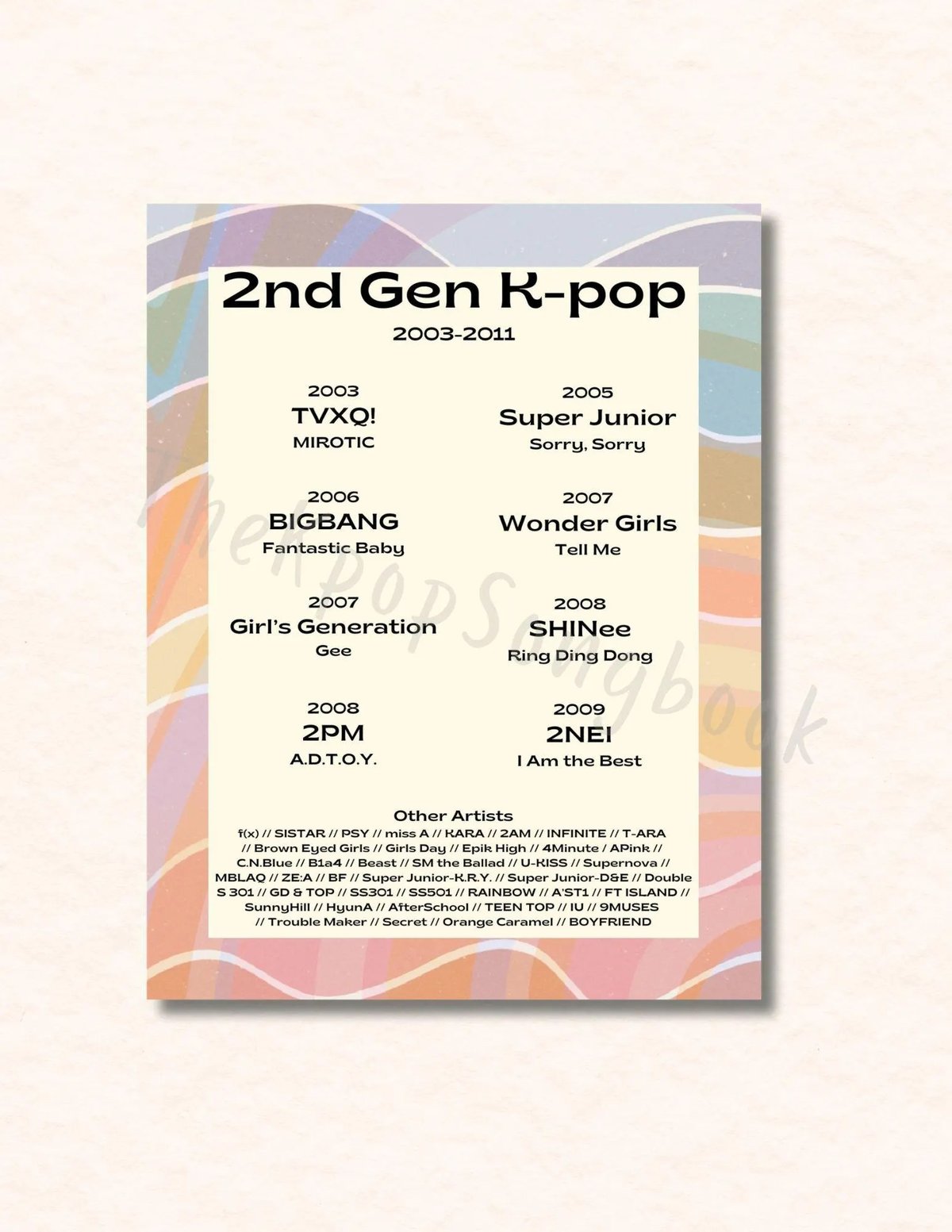
The roar you hear isn't just a concert crowd; it's the sound of a global movement, the collective power of millions. What began as a niche music scene in South Korea has exploded into a worldwide phenomenon, thanks in no small part to the dynamic and incredibly sophisticated world of K-pop fandom. This isn't just about passive listening; it's about an unprecedented level of fan engagement where the lines between consumer and creator blur, and Fandom & Digital Culture Across K-pop Generations isn't just changing music, it's rewriting the rules of global entertainment, commerce, and cultural exchange.
At a Glance: Understanding K-Pop Fandom's Unrivaled Power
- Fans as Active Collaborators: K-pop fandoms transform passive listeners into engaged co-creators, promoters, and cultural ambassadors.
- Highly Organized & Specialized: These communities operate with organic specialization, acting as data analysts, translators, designers, and strategists.
- Driving Commercial Success: Coordinated fan efforts directly translate into record-breaking sales, streams, and chart performance.
- Cultural Bridge Builders: Fandoms are crucial in spreading Korean culture globally, overcoming language and cultural barriers through fan-made content.
- Beyond Music: Their influence extends to social activism and charitable initiatives, demonstrating powerful collective action.
- Industry Partnership: Entertainment companies view fans as integral partners, fostering deep emotional investment and loyalty through direct interaction.
- Tech-Enabled Globalization: Digital platforms and advancements in technology enable seamless global coordination and unprecedented reach.
The Architect of Influence: What Makes K-Pop Fandom Unique?
At its heart, K-pop's global triumph isn't just about catchy tunes or synchronized dances; it's about an ecosystem where fans are not merely observers but vital, active participants. Unlike traditional music industries where fans primarily consume, K-pop fandoms are highly organized, deeply invested communities that drive every aspect of an artist's success. They are the pulse, the engine, and often, the strategists behind their idols' ascent.
Each fandom boasts its own official identity—names, colors, and symbols that bind members together. Think of BTS's ARMY, BLACKPINK's BLINK, or SEVENTEEN's CARAT. These aren't just cute labels; they're badges of honor for communities exhibiting a level of organic specialization that would impress any corporate team. You'll find fans acting as data analysts, meticulously tracking streaming numbers and chart positions; social media strategists crafting viral campaigns; graphic designers creating promotional art; and translators breaking down language barriers for global accessibility.
Consider CARAT's meticulous planning for SEVENTEEN's "FML" album release. This involved creating curated streaming playlists, organizing mass purchasing campaigns to boost album sales, and deploying dedicated translation teams to ensure international fans understood every lyric and interview. Similarly, aespa's MY fandom employs sophisticated streaming strategies, coordinating global efforts to propel songs like "Drama" up the charts. These aren't isolated incidents; they are standard operating procedures. The result? Significant commercial outcomes, such as BTS's "Dynamite" shattering YouTube records with an astounding 101.1 million views in just 24 hours—a testament to coordinated fan power.
Fandoms as Cultural Diplomats and Content Multipliers
K-pop fandoms are more than just marketing machines; they are vital cultural bridges, dismantling barriers of language and culture with remarkable efficiency. Unpaid fan translators form the backbone of this effort, tirelessly creating subtitles for videos, translating intricate interviews, and providing crucial cultural context for lyrics, music video theories, and even traditional folklore referenced in songs, such as NewJeans' "Ditto." This dedication doesn't just make content accessible; it actively spreads Korean cultural awareness globally, inviting new audiences into a rich cultural tapestry.
Beyond translation, fandoms generate an astonishing "content multiplier effect." For every official release, fans produce exponentially more content, fueling endless engagement and discovery. This includes detailed dance tutorials that help fans master choreography, enthusiastic reaction videos shared across platforms, intricate fan art that reimagines idols, and elaborate theory videos dissecting music video narratives, much like the deep dives into LE SSERAFIM's "UNFORGIVEN." This fan-generated content isn't just supplementary; it's a primary driver of sustained interest and broadens the artist's reach far beyond official channels.
The Industry's Embrace: Fostering Collaboration and Co-Creation
Korean entertainment companies haven't just observed this fan power; they've actively cultivated and integrated it into their strategies. They view fans not merely as consumers but as indispensable partners. This philosophy is evident in several key practices:
- Direct Interaction Platforms: Companies like HYBE (home to BTS) developed Weverse, while other labels utilize platforms like Bubble, offering direct artist-to-fan communication channels. These platforms provide a sense of intimacy and exclusive access, strengthening emotional bonds.
- Fan Engagement Events: Fan sign events, virtual meet-and-greets, and Q&A sessions are designed to foster a sense of mutual appreciation and collaboration.
- Incorporating Fan Suggestions: Feedback from dedicated fan communities is often genuinely considered in content creation, from song concepts to merchandise designs, making fans feel heard and valued.
- Strategic Content: Behind-the-scenes vlogs, reality shows, and documentary series offer intimate glimpses into idols' lives and training, cultivating deep emotional investment and fostering long-term loyalty. Across K-pop generations, this strategic nurturing of emotional ties has only become more sophisticated.
Idol training itself now explicitly includes fan interaction skills, emphasizing the importance of genuine connection and communication. This proactive approach by companies ensures that the strong, collaborative relationship between idols and their fans remains a cornerstone of the K-pop model.
Beyond the Music: Fandoms as Forces for Good
The organizational capabilities and collective passion of K-pop fandoms extend far beyond chart battles and album promotions. These communities frequently channel their immense power into social activism and charitable causes, demonstrating a profound impact on the real world.
One of the most powerful examples came when BTS's ARMY matched the group's $1 million donation to Black Lives Matter in just 24 hours. This wasn't just a spontaneous outpouring; it was a highly organized, gamified giving campaign that leveraged the same coordination and enthusiasm typically applied to music promotion. Similarly, BLACKPINK's BLINK fandom has organized environmental projects, applying their formidable organizational skills to raise awareness and funds for conservation.
These initiatives showcase how the digital culture of K-pop fandom provides a robust framework for collective action, proving that the tools and tactics used to propel a song to number one can also be deployed to make a significant positive social impact globally.
Technology: The Global Unifier for Fandom
The hyper-connected nature of K-pop fandom wouldn't be possible without a suite of technological advancements that enable seamless global coordination.
- Real-time Translation: Apps and browser extensions break down language barriers instantly, allowing fans from diverse linguistic backgrounds to engage with content and each other.
- Mobile Payment Systems: Facilitate easy international purchases of albums, merchandise, and concert tickets, streamlining commercial efforts.
- Streaming Platforms: YouTube, Spotify, Apple Music, and others are battlegrounds where synchronized streaming efforts can push tracks up global charts. The coordinated global efforts of Stray Kids’ STAY fandom, for example, were instrumental in propelling "ROCK-STAR" onto the Billboard Hot 100, showcasing how technology empowers fans to directly influence mainstream music industry metrics.
Looking to the future, the K-pop industry is at the forefront of exploring next-generation technologies. Companies like SM Entertainment are investing heavily in VR and metaverse experiences, while others eye Web3 for potential fan ownership models and unique digital assets. Virtual concerts are becoming increasingly sophisticated, offering immersive experiences that transcend geographical limitations and allow fans to feel closer to their idols than ever before. This continuous innovation ensures that fandom & digital culture across K-pop generations will continue to evolve, pushing the boundaries of what's possible in entertainment.
Navigating the Digital Landscape: Where Fandoms Live and Thrive
The internet is the native habitat of K-pop fandom, offering diverse spaces for different forms of interaction and coordination.
- Twitter/X: This platform remains central for real-time updates, breaking news, viral trends, and coordinating mass streaming or voting efforts. Hashtag trends often signal the collective power and focus of a fandom.
- TikTok: The short-form video platform is a breeding ground for viral challenges, dance trends, and snippet-sized content that introduces K-pop to new audiences and creates widespread engagement.
- Instagram & Tumblr: These platforms serve as visual hubs for sharing fan art, edits, and aesthetic content, curating the visual identity of the fandom.
- Discord: For more intricate planning and community building, Discord servers offer a structured environment for sub-fandoms to strategize, share resources, and connect in real-time through voice and text channels.
Crucially, the vast network of unpaid fan translators on these platforms is what truly makes K-pop accessible worldwide. Without their dedication, much of the content would remain locked behind language barriers. This highlights a truly unique aspect of K-pop's global spread: it's driven as much by volunteer fan labor as it is by corporate strategy.
Beyond official and promotional content, K-pop fandoms are vibrant incubators of creativity. Fans produce a staggering array of original content, including: - Fan Art: From intricate digital paintings to charming doodles, fans express their admiration through visual art.
- Fanfiction (Fanfic): Storytelling is a massive part of fandom, with countless narratives exploring alternative universes or imagined scenarios involving their idols.
- Fanzines (Zines): Self-published magazines, often physical, allowing fans to share art, writing, and theories in a curated format.
- Video Edits: High-quality video compilations, "crack videos," and aesthetic edits that showcase idols' talents or personalities.
Offline, K-pop fandoms also create unique event cultures that adapt to local flavors. Cupsleeve events, where fans gather at cafés to celebrate an idol's birthday and receive custom cup sleeves, have become a global phenomenon. Birthday cafés, random dance plays (where K-pop songs are played for spontaneous dance-offs), and local charity drives are all ways fans connect in person, infusing these events with local food, language, and charity choices.
The Evolving Face of Fandom: Identities and Inclusivity
K-pop fandom is a broad church, accommodating a diverse range of fan identities. You'll find:
- Solo Stans: Dedicated exclusively to one member of a group.
- Multistans: Following and supporting multiple groups or idols.
- Casual Listeners: Enjoying the music without deep involvement in fandom activities.
- Multi-Fandom Fans: Engaging with several fandoms simultaneously, appreciating different groups for different reasons.
Despite these distinctions, all share universal experiences of joy, community, and passionate engagement. The beauty of K-pop fandom is its inherent inclusivity. Stanning K-pop is absolutely acceptable regardless of your nationality, ethnicity, or even your fluency in Korean. The primary requirement is respect and appreciation for the artists and the culture they represent. This open-door policy has been critical to K-pop's global expansion, allowing diverse individuals to find a sense of belonging within these digital and real-world communities. Fandom & Digital Culture Across K-pop Generations is a testament to this global appeal.
Looking Ahead: The Future of Fandom & K-Pop
The dynamic interplay between K-pop artists, entertainment companies, and their global fandoms is a constantly evolving landscape. What can we expect in the coming years?
- More Global Tours and Localized Content: As K-pop's global reach expands, companies will likely increase international tour stops and tailor content more specifically to diverse local markets.
- Advanced Virtual Concerts and Metaverse Integration: Expect increasingly immersive, interactive virtual experiences that offer new ways for fans to engage with idols without geographical constraints.
- Diverse Idols and Genres: The industry will likely continue to diversify, featuring idols from various cultural backgrounds and experimenting with new musical genres, further broadening its appeal.
- Smarter Fan Tools: Innovations in AI and data analytics will likely lead to more sophisticated fan platforms, enhancing community management, content curation, and personalized fan experiences.
- Web3 and Digital Ownership: The integration of blockchain technologies could lead to new forms of fan engagement, including digital collectibles, fan-owned content, and more direct financial participation in artist success. This represents a significant shift in fandom & digital culture across K-pop generations.
Joining the Movement: How to Find Your Community
Feeling inspired to dive deeper into the world of K-pop fandom? It's easier than you might think to connect with like-minded individuals.
Start by identifying the group or artist you're passionate about. Then, harness the power of social media:
- Search Social Media: On platforms like Twitter/X, Instagram, or Facebook, simply search for "[Group Name] + [Your City/Country]" or "[Group Name] + fandom" to find local fan accounts, event pages, and community groups.
- Join Group Chats and Servers: Many fandoms organize group chats on messaging apps like KakaoTalk or Discord servers for real-time discussion and event planning. Look for links shared by fan accounts.
- Attend Local Events: Keep an eye out for local cupsleeve events, random dance plays, or fan gatherings organized by local K-pop shops or fan groups. These are fantastic opportunities to meet people in person.
Remember, the K-pop fandom experience is what you make it. Whether you're a casual listener or a dedicated stan, there's a place for you in this vibrant, dynamic, and ever-evolving global community. It's a space where passion, creativity, and collective action truly transform the music industry and beyond. The power of fandom & digital culture across K-pop generations isn't just about music; it's about building bridges, fostering community, and changing the world, one beat at a time.